
Custom and Justice on Barsoom
A Princess of MarsThis flow examines how Barsoomian customary rules organize combat and authority, while revealing the gaps between justice, power, and compassion.
increasing Bearing strength in each event
 decreasing
Bearing strength in each eventdecreasingStatus Taken by Combat
Rank Earned in Violence
Victory determines standing
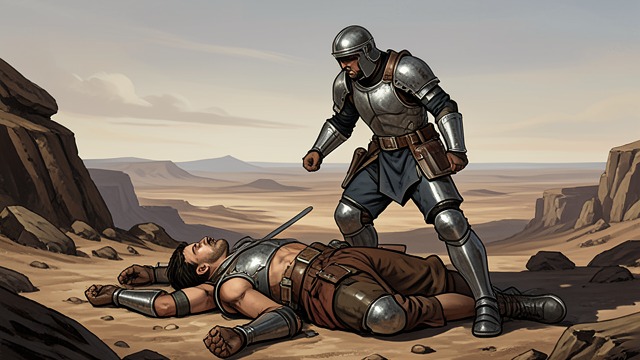
Carter’s victories bring him the metal and rank of the warriors he defeats. The Tharks recognize achievement through combat rather than ancestry or formal appointment.
Justice through contest
The system gives a stranger a route to authority, but its rules make violence the normal language of recognition. Carter must use that structure even while resisting the values it reinforces.
A Duel’s Boundaries
Rules Within Violence
A chosen weapon
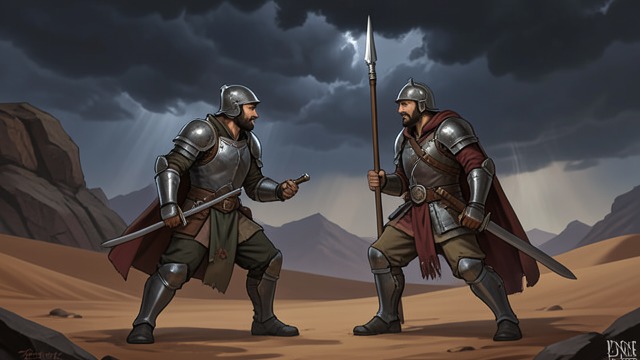
When Zad challenges Carter, the Thark rules require Carter to fight with the chosen weapon or one of lesser status. Firearms and a spear are not permitted against a swordsman.
Order without mercy
The rule limits what a combatant may do, creating a recognizable procedure for violence. Yet the duel remains a fight to the death, showing that formal restraint does not amount to compassion.
A Council Confronts Tal Hajus
Custom Used Against a Tyrant
The charge of cowardice
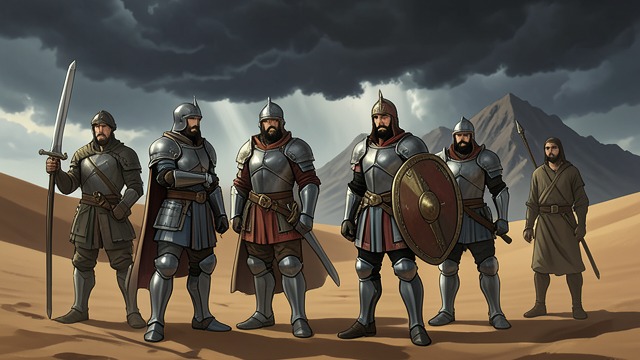
Carter accuses Tal Hajus of preying on the defenseless while failing to prove himself in battle. The council resists the Jeddak’s attempt to silence him and insists that customary justice apply.
A succession decided
The leaders authorize combat between Tal Hajus and Tars Tarkas. The old system removes a cruel ruler, though it still relies on a duel rather than a broader transformation of Thark governance.
A Promise Has Force
Marriage Beyond Ceremony
Words bind the speaker
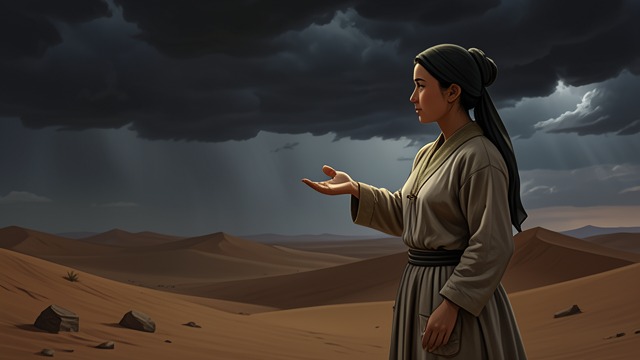
Dejah Thoris explains that her promise to Sab Than is considered final even before a wedding ceremony. The custom gives political language the force of a completed act.
Choice under pressure
Her pledge is made to protect Helium, but its binding power constrains her relationship with Carter. Custom can preserve trust while also making a coerced bargain difficult to undo.
Custom Changes Through Contact
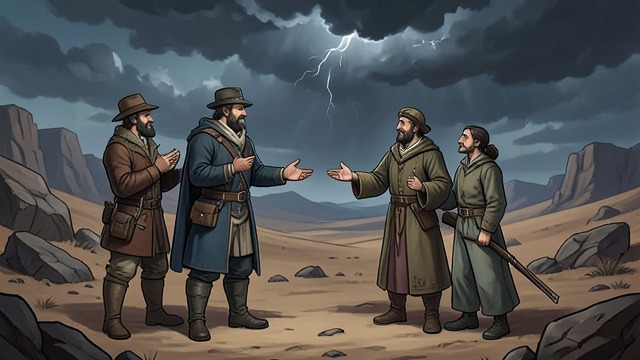
Old Rules, New Relationships
Enemies treated as allies
The Tharks and Heliumites exchange formal greetings and recognize one another’s leaders after years of war. Custom provides a language for a new political relationship.
No instant transformation
The story suggests that individuals can change before entire societies do. Tars Tarkas’s recognition of friendship gives the alliance ethical force, but old institutions and habits remain a continuing challenge.
Carter’s first fights in Korad
During Carter’s duel with Zad
After Carter returns to Thark with Tars Tarkas
During Dejah Thoris’s imprisonment in Zodanga
After the siege of Helium
